As businesses and consumers increasingly seek sustainable solutions, terms like biodegradable, compostable, and recyclable are used more often, but they are not interchangeable. Understanding the nuances between these labels is essential for making informed decisions about packaging, sustainability, and environmental responsibility. We believe education is key, helping businesses choose truly sustainable packaging that supports a circular economy.
What Does Biodegradable Mean?
A material is described as biodegradable if it can be broken down by microorganisms, such as bacteria and fungi, into simpler substances like water, carbon dioxide and biomass over time. This process happens naturally, but the speed and conditions required can vary significantly.
Importantly, biodegradable does not mean a material will break down quickly, nor does it mean it will decompose effectively in every environment. Temperature, moisture, oxygen levels and microbial activity all influence the process. Some materials labelled biodegradable may require specific industrial conditions to fully decompose.
Even if something biodegrades, this does not automatically guarantee that nothing harmful is left behind. Certain synthetic materials marketed as biodegradable can fragment into smaller particles during breakdown, potentially leaving residues such as microplastics in the environment. In these cases, the material may disappear from view, but not necessarily from ecosystems.
In essence, while biodegradable materials can help reduce long-term waste, the term alone does not confirm how quickly a product will break down, under what conditions, or whether it will return safely to nature. Understanding this distinction is crucial when selecting packaging that genuinely aligns with environmental and sustainability goals.
What Does Compostable Mean?
Compostable materials are a subset of biodegradable products, but with stricter criteria. To be certified compostable, a product must break down into non-toxic components under specific conditions, usually within a commercial or home composting environment, within a defined time frame.
Unlike general biodegradable materials, compostable packaging contributes nutrients back to the soil, supporting plant growth and completing a natural cycle. For businesses looking to integrate truly sustainable solutions, choosing compostable options ensures that packaging doesn’t just disappear, it returns value to the environment.
How Recyclable Fits Into the Picture
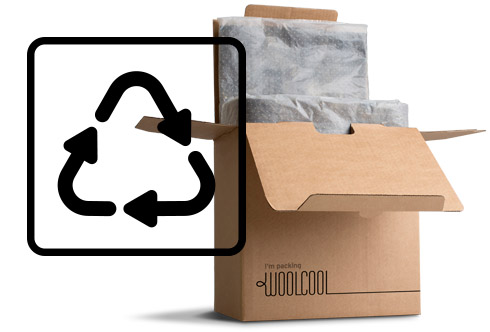
Recyclable materials, by contrast, are designed to be processed and repurposed into new products. Recycling keeps materials in use for longer, conserving resources and energy. However, the process requires collection, sorting, and industrial processing, and not all recyclable materials are accepted everywhere.
While recycling is an essential part of waste management, it is just one piece of a broader circular economy strategy. Combining recyclable, compostable, and biodegradable options can provide the most comprehensive approach to sustainability.
Woolcool and the Circular Economy 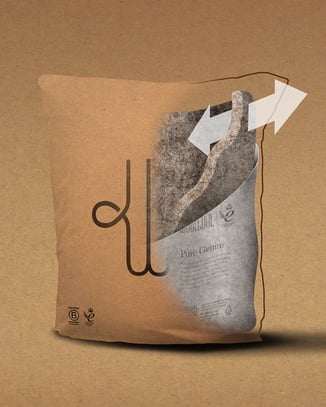
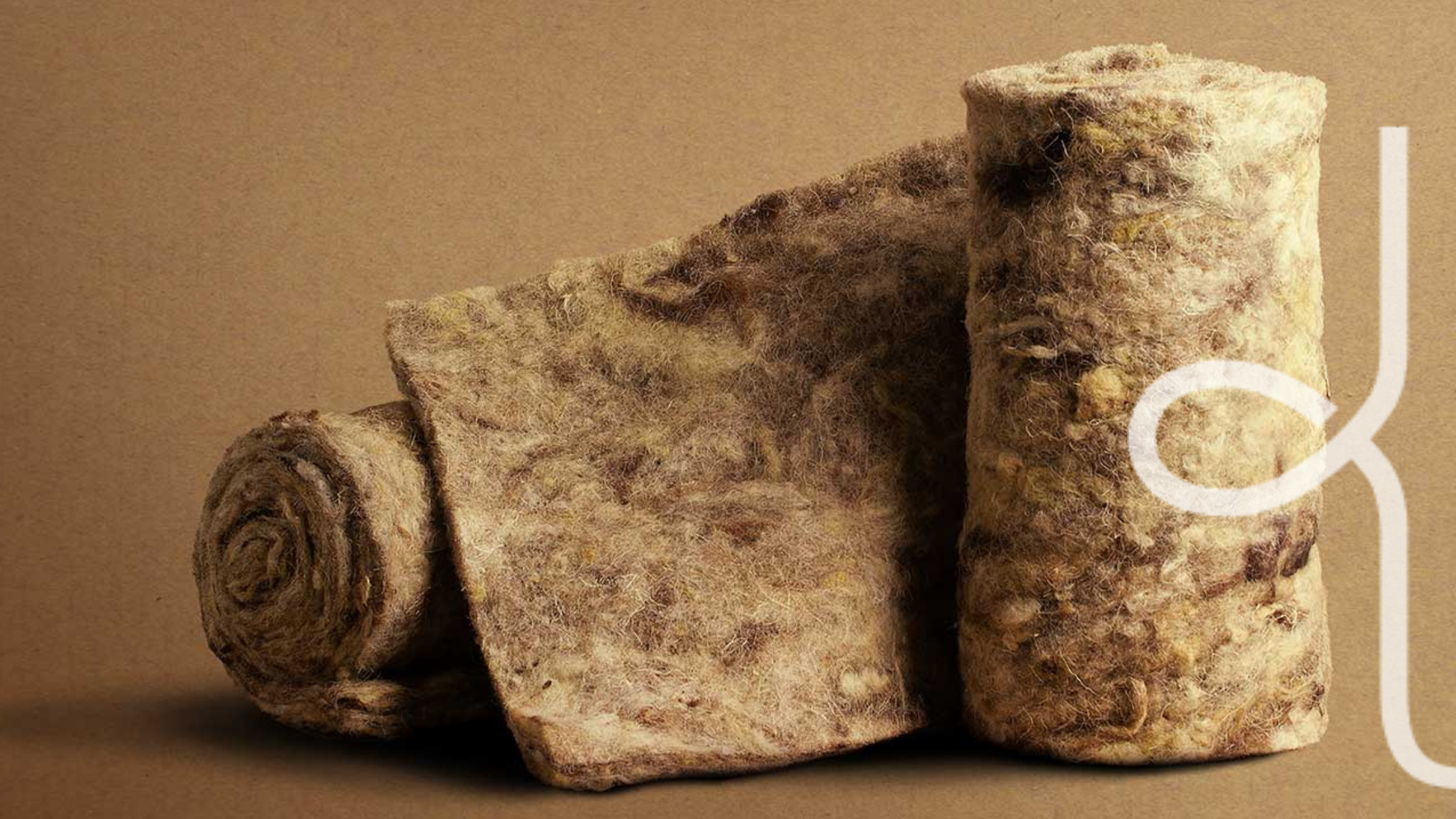
Our approach to packaging goes beyond simply reducing waste. Our wool liners are made from 100% pure wool, a renewable material that is both biodegradable and compostable. When our insulation reaches the end of its life, it can safely return to the environment or be incorporated into compost, closing the loop and reducing reliance on non-renewable materials.
Wool is inherently biodegradable and compostable, meaning that at the end of its life it can safely return to the earth. When placed in compost or soil, wool slowly breaks down, releasing valuable nutrients such as nitrogen back into the ground. This makes it not only a protective material during use, but one that can actively contribute to soil health afterwards. In a true circular model, materials should regenerate natural systems and wool does exactly that.
However, returning wool to the soil is only one option within the circular economy.
Designed for Reuse First
One of the most sustainable choices is always reuse. Wool’s natural resilience and durability mean Woolcool liners can often be reused multiple times for temperature-controlled deliveries, storage, removals, or even creative and practical repurposing. Many customers use our liners for:
- Insulating pet bedding or greenhouses
- Craft and felting projects
- Protective wrapping for fragile goods
- Gardening and composting applications
Extending the life of packaging reduces demand for new materials and maximises the value of the original resource, a core principle of the circular economy.
Recycling and Return Options
Where reuse isn’t possible, wool still has valuable end-of-life pathways. As a natural fibre, it can be recycled and repurposed into other wool-based products, keeping the material in circulation for longer. Wool fibres can be mechanically recycled, blended, or incorporated into alternative applications, ensuring the resource continues to deliver value.
Importantly, because wool is both biodegradable and compostable, it can often be placed in a garden waste bin, where it will break down naturally as part of the composting process. This provides a simple and practical option for many households and businesses looking to dispose of packaging responsibly. If composting or garden waste disposal is not possible, Woolcool liners can be returned to us, where we ensure they are handled appropriately and recycled wherever feasible.
Through reuse, composting, recycling, and return schemes, Woolcool supports a genuinely circular approach to sustainable packaging, one that prioritises keeping materials in use for as long as possible before safely returning them to the environment.
Renewable by Nature
Unlike finite materials derived from fossil resources, wool grows back year after year. Sheep produce a new fleece annually, making wool a continuously renewable resource when responsibly sourced. This reduces reliance on non-renewable inputs and supports agricultural systems that already exist.
Because wool is a natural fibre, it does not fragment into persistent microplastics. Instead, if it does enter the environment, it decomposes naturally without leaving long-term synthetic residues behind.
Closing the Loop
The circular economy is about keeping materials in use at their highest value for as long as possible, through reuse, recycling, and regeneration.
By choosing Woolcool’s biodegradable and compostable sustainable packaging, businesses are not simply switching materials, they are investing in a system designed to work in harmony with nature.
In a world where packaging is often seen as waste, wool reframes the conversation. It becomes a resource that protects products in transit, offers multiple second lives, and ultimately returns to the earth, supporting the very ecosystems that make renewable materials possible.
Why This Matters for Businesses
Understanding these terms is more than semantics. Businesses that invest in sustainable packaging can:
- Reduce their environmental footprint and meet sustainability targets.
- Appeal to eco-conscious consumers increasingly demanding responsible solutions.
- Demonstrate leadership in corporate responsibility and innovation.
By integrating biodegradable and compostable materials like Woolcool, companies can ensure they are making environmentally meaningful choices without compromising on performance or protection.
Not all sustainable packaging is created equal. Biodegradable materials break down over time, compostable materials return nutrients to the soil, and recyclable materials are reprocessed into new products. For businesses seeking truly sustainable solutions, Woolcool provides packaging that fits seamlessly into a circular economy, protecting products while giving back to the planet.
Embracing biodegradable and compostable packaging is more than a trend, it’s a commitment to responsible business practices and a healthier environment.