As sustainability becomes a business imperative rather than a “nice to have”, organisations across food and pharmaceutical sectors are reassessing how their products are packaged and transported. Insulated packaging plays a crucial role in protecting temperature-sensitive goods, but it also has a significant environmental footprint.
The good news?
Innovative solutions like Woolcool are proving that effective insulation and sustainable packaging can go hand in hand.
What Does Sustainability Mean in Insulated Packaging?
Sustainable packaging looks beyond basic performance. It considers the full lifecycle of a product. From raw material sourcing and manufacturing, through use and reuse, to end-of-life disposal. In insulated packaging, this means asking important questions:
-
Where do the materials come from?
-
Are they renewable or finite?
-
What is their carbon footprint?
-
Can they be reused, recycled, composted or safely returned to nature?
Traditional insulation materials are often derived from fossil fuels and can be difficult to recycle.
In contrast, sustainable packaging solutions made from natural, renewable resources offer a lower-impact alternative without compromising on performance.
Woolcool: Insulated Packaging Designed with Sustainability at Its Core
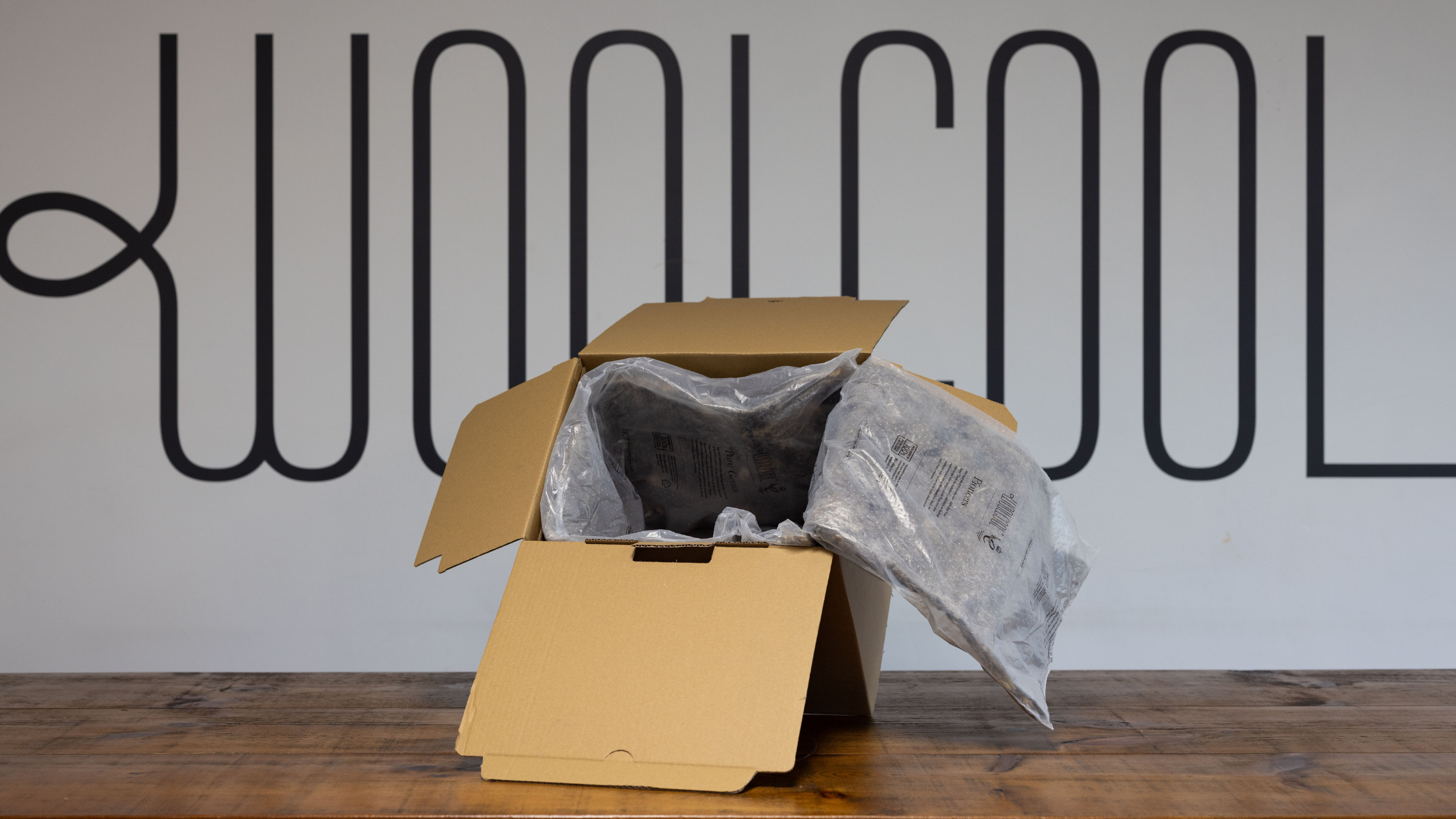
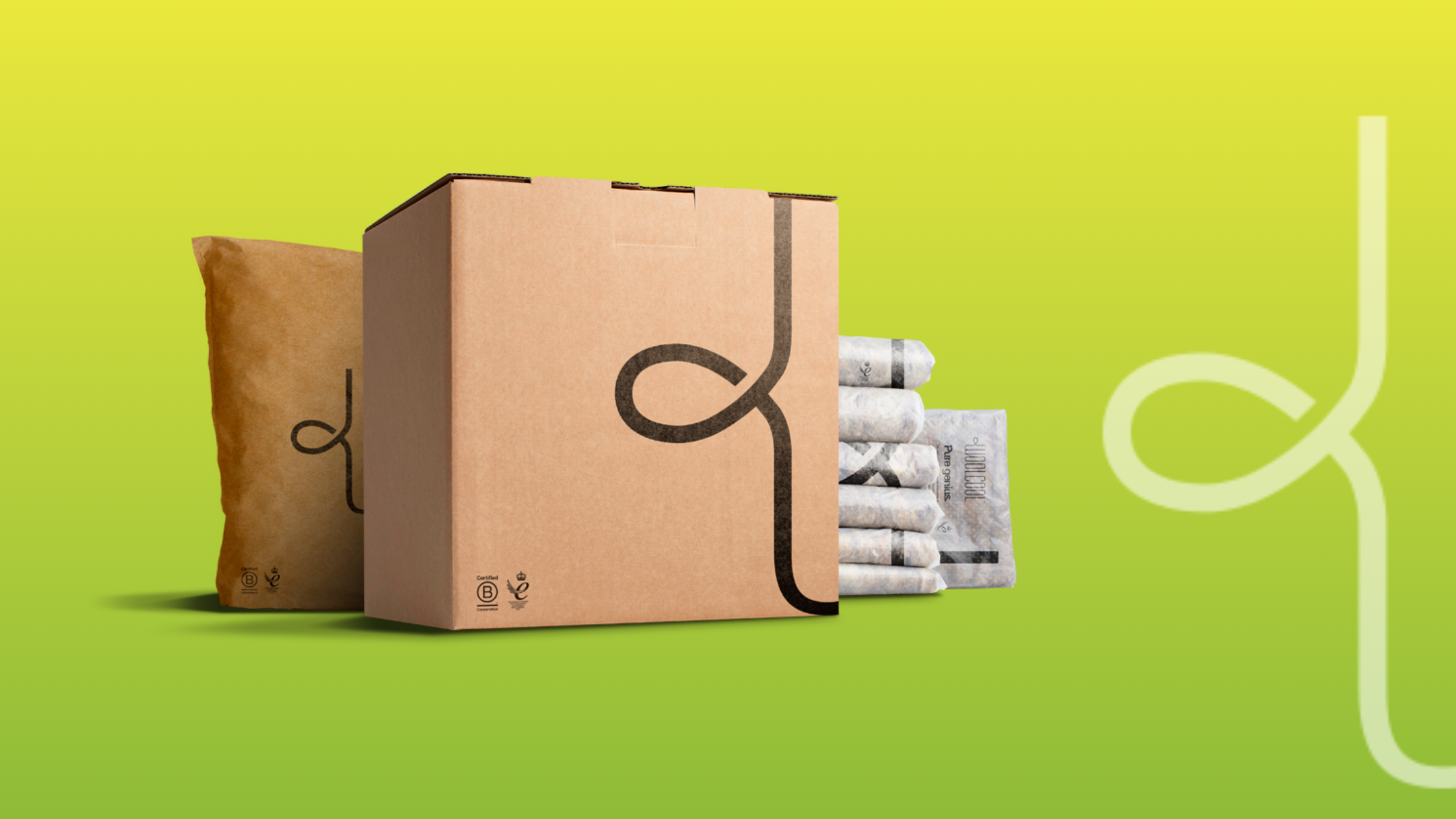
Woolcool is a pioneer in sustainable packaging, using sheep’s wool as a natural insulation material.
Wool is a remarkable resource: renewable, biodegradable, and highly effective at regulating temperature.
By harnessing these natural properties, Woolcool delivers reliable insulated packaging while significantly reducing environmental impact.
Key Benefits of Using Woolcool
1. Renewable and Natural Materials
Wool is a naturally renewable fibre, grown year after year by sheep. Unlike synthetic alternatives, it does not rely on petrochemicals, making it an excellent foundation for sustainable packaging.
2. Outstanding Thermal Performance
Wool fibres trap air effectively, providing excellent insulation. This helps maintain consistent temperatures during transit, protecting chilled, frozen or ambient-sensitive products and reducing product waste.
3. Biodegradable and Compostable
At the end of its life, wool can safely return to the earth. It biodegrades naturally and can be composted, helping businesses reduce landfill waste and move closer to circular economy principles.
4. Reusable and Versatile
Woolcool liners can be reused multiple times, extending their lifespan and maximising value. Many customers also find creative secondary uses, from gardening to craft projects, further reducing waste.
5. Reduced Carbon Impact
By using natural materials and designing packaging for reuse and responsible disposal, Woolcool helps lower the overall carbon footprint associated with insulated packaging.
Reducing Environmental Impact Across the Supply Chain
One of the biggest sustainability challenges in packaging is hidden impact – emissions, waste and resource use that accumulate across the supply chain. Woolcool helps address this in several key ways:
-
Lower reliance on fossil fuels, thanks to its natural insulation material
-
Reduced product spoilage, as effective temperature control prevents food and pharmaceutical waste
-
End-of-life responsibility, offering biodegradable and compostable solutions instead of persistent waste
-
Support for circular systems, encouraging reuse, composting and responsible disposal
By choosing sustainable packaging options like Woolcool, businesses can take meaningful steps towards reducing their environmental footprint while maintaining high performance standards.
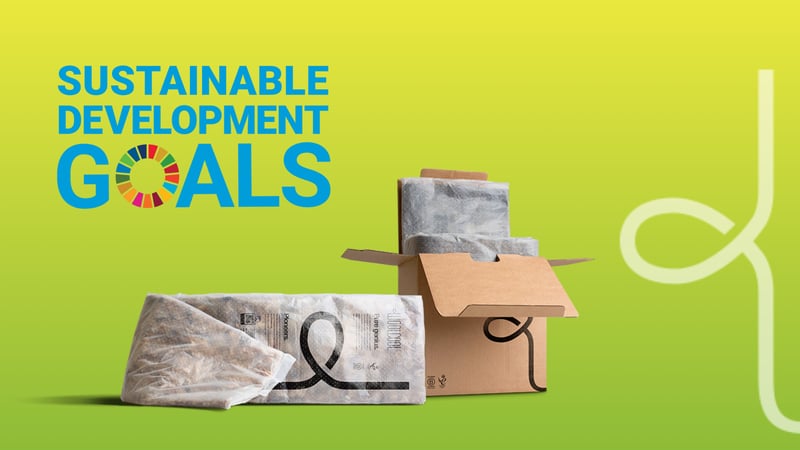
Supporting the UK’s Commitment to the Sustainable Development Goals (SDGs)
The UK is committed to achieving the United Nations Sustainable Development Goals, and businesses play a vital role in this journey. Woolcool actively supports several key SDGs:
SDG 12: Responsible Consumption and Production
Woolcool promotes responsible resource use by choosing renewable materials, designing for reuse, and ensuring packaging can safely return to nature at end of life.
SDG 13: Climate Action
By reducing reliance on fossil-fuel-based materials and helping cut carbon emissions associated with packaging and food waste, Woolcool contributes to climate action efforts.
SDG 15: Life on Land
Wool is a natural by-product of sheep farming. Using it responsibly helps support sustainable land use and prevents valuable natural fibres from going to waste.
SDG 9: Industry, Innovation and Infrastructure
Woolcool demonstrates how innovation can transform traditional industries, offering modern, scalable insulated packaging solutions that meet both performance and sustainability goals.
Why Sustainable Insulated Packaging Makes Business Sense
Sustainability is no longer just about environmental responsibility – it’s about resilience, reputation and future-proofing. Customers, regulators and stakeholders increasingly expect businesses to demonstrate credible sustainability actions.
By switching to sustainable packaging, companies can:
-
Strengthen brand trust and transparency
-
Align with ESG and sustainability reporting requirements
-
Reduce waste management costs
-
Support national and global sustainability targets
Woolcool enables businesses to meet these expectations without sacrificing performance, reliability or product integrity.
Sustainability in insulated packaging is about making better choices – for the planet, for people, and for long-term business success.
Woolcool proves that natural materials and innovative design can deliver high-performance sustainable packaging that supports environmental goals and real-world logistics needs.
As businesses look to reduce their impact and align with the UK’s sustainability ambitions, insulated packaging made from wool offers a smarter, more responsible solution.