For thousands of years, humans have turned to wool for warmth, protection and preservation. Long before modern synthetic materials existed, wool was trusted as one of nature’s most reliable insulating resources. Its unique structure helped people survive harsh winters, transport valuable goods and create more comfortable living environments across generations and continents.
Today, as industries search for more sustainable packaging alternatives, wool is once again proving its value. At Woolcool, we believe nature knows best. That is why we use wool insulation in our packaging solutions instead of relying on man-made materials.
Wool’s Natural Properties Have Been Trusted for Centuries
Wool has played an important role throughout human history because of its remarkable natural performance. Unlike many materials, wool fibres are uniquely structured to trap air, creating a highly effective insulating layer. This helps regulate temperature, keeping heat in when it is cold and keeping temperatures stable when conditions become warmer.
Ancient civilisations quickly recognised these benefits. Wool was used for clothing, blankets and shelter linings to help people endure extreme climates. From Roman soldiers wearing wool garments to communities using wool textiles inside homes and transport, the material became synonymous with protection and resilience.
One of wool’s most impressive characteristics is its ability to manage moisture while still retaining thermal performance. Wool fibres can absorb moisture without feeling wet, helping maintain stable conditions and improving comfort. Historically, this made wool invaluable not just for clothing, but also for preserving goods during travel and storage.
In farming and rural communities, wool was often used to insulate food stores, line containers and protect delicate items from fluctuating temperatures. Even before modern science explained why wool performed so effectively, people understood through experience that it worked.
Nature’s Insulation at Work
What makes wool insulation so effective is the fibre itself. Wool naturally crimped fibres create millions of tiny air pockets, helping to slow the transfer of heat. This natural thermal efficiency is why wool has remained relevant for centuries despite the rise of synthetic alternatives.
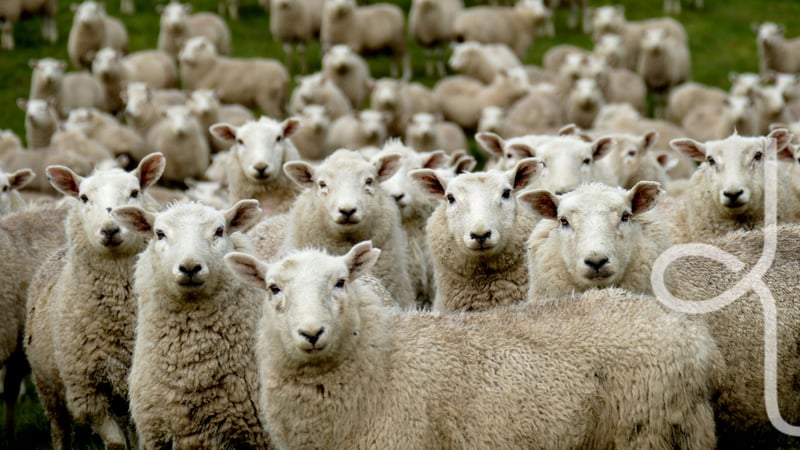
 Unlike many man-made materials, wool is also renewable and compostable. Sheep produce a new fleece every year, making wool a naturally replenishing resource. At the end of its life, wool can break down naturally, returning nutrients back to the environment.
As conversations around sustainability continue to grow, businesses and consumers alike are reconsidering the environmental impact of traditional packaging materials. Many synthetic packaging products are derived from fossil fuels and can persist in the environment for decades. Wool offers a natural alternative that works in harmony with the planet rather than against it.
From Historical Protection to Modern Sustainable Packaging
Today’s supply chains demand packaging that can reliably protect temperature-sensitive products while also supporting sustainability goals. The same natural insulating properties that helped preserve goods throughout history are now playing a vital role in modern cold chain packaging.
Wool insulation is highly effective at maintaining stable temperatures during transit, helping to protect chilled and temperature-sensitive products for longer periods. Its lightweight nature also makes it practical for transportation, helping businesses reduce unnecessary packaging weight without compromising performance. This can support greater efficiency across distribution networks while lowering the environmental impact associated with heavier packaging materials.
 Another major advantage of wool in modern packaging is its breathability and moisture management. Wool naturally helps regulate humidity and condensation, which can be beneficial when transporting products that require carefully controlled conditions. Combined with its thermal performance, this makes wool particularly well suited to cold chain logistics.
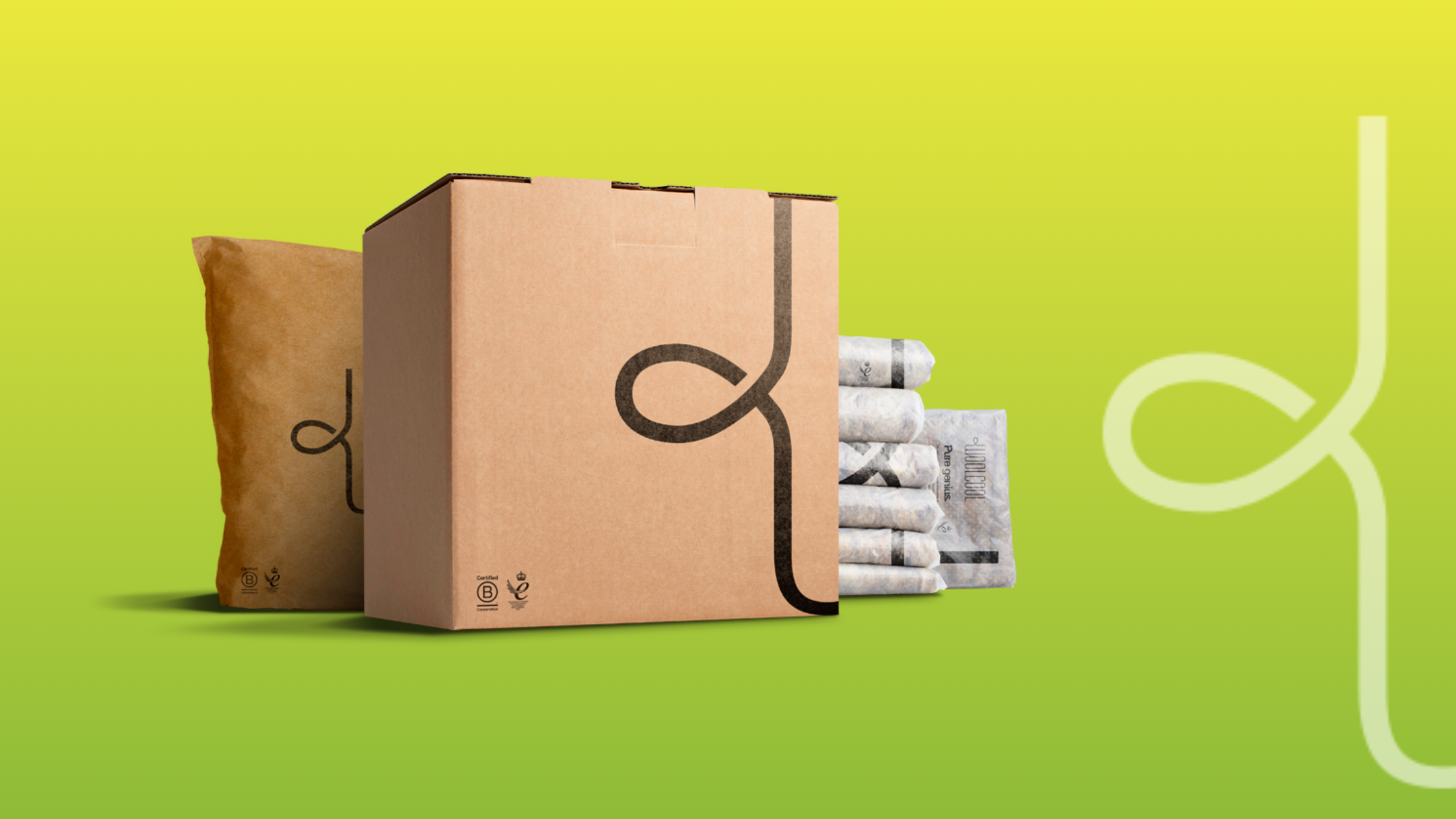
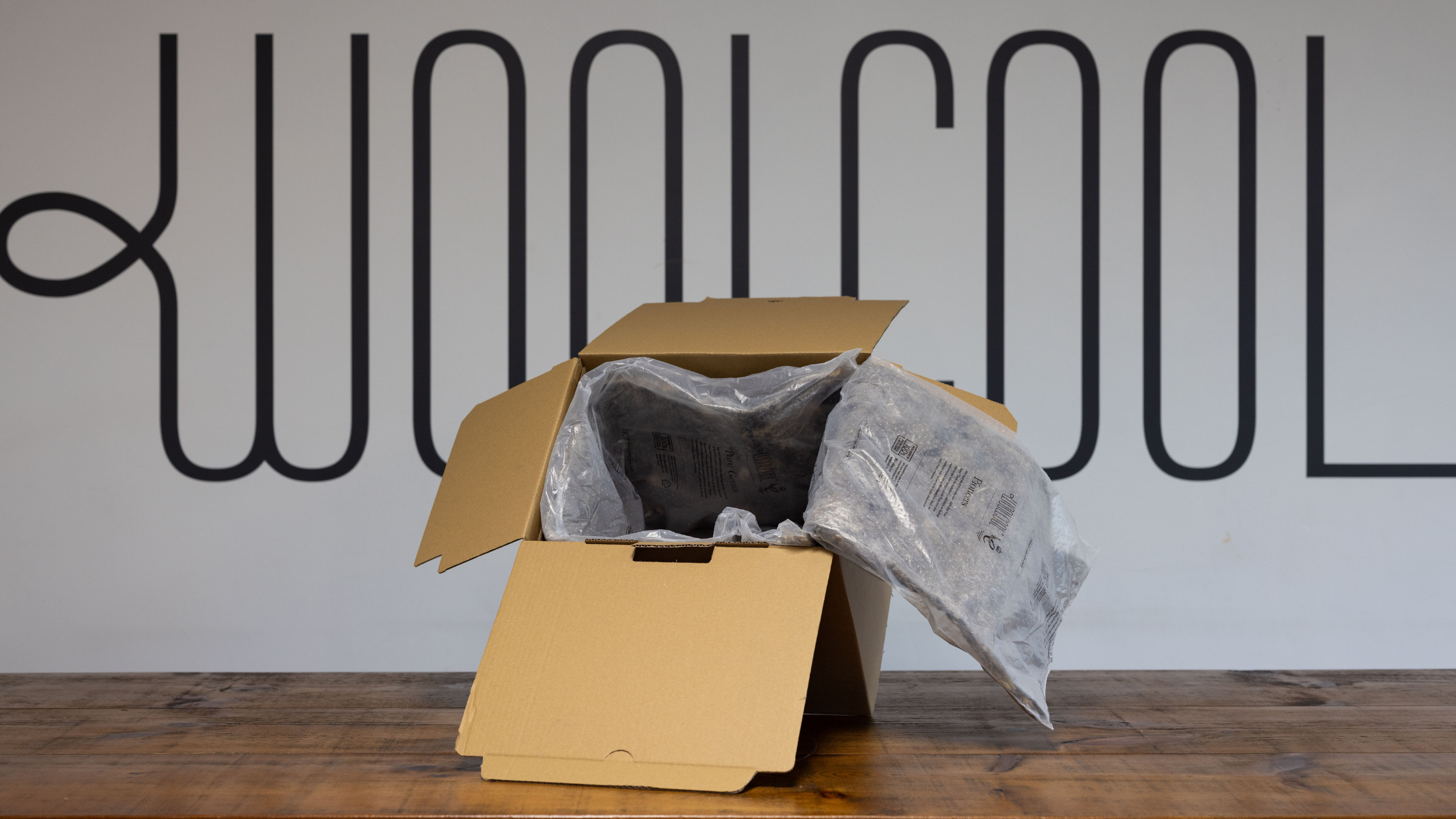
We use these natural benefits to create sustainable packaging solutions that work with nature, not against it. Rather than relying on man-made materials derived from fossil fuels, our wool insulation packaging harnesses a renewable resource that has been trusted for centuries. It is a modern application of a natural material that continues to prove its value in protecting products throughout the supply chain.
Why Natural Materials Matter More Than Ever
 Businesses today face growing pressure to reduce waste, lower environmental impact and make more responsible material choices. Consumers are also becoming increasingly conscious of the sustainability credentials behind the products they buy and the packaging those products arrive in.
Natural materials like wool offer an opportunity to rethink how packaging is designed.
Choosing sustainable packaging is not simply about replacing one material with another. It is about considering the full lifecycle of the product, from sourcing and use through to disposal. Wool’s renewable and compostable nature makes it particularly valuable in this transition towards more circular systems.
At Woolcool, sustainability is central to what we do. We believe innovation does not always mean reinventing the wheel, sometimes, it means rediscovering the value of natural materials that humans have trusted for generations.
Learning from the Past to Shape the Future
History shows us that wool has always been more than just a textile fibre. It has protected sheep, people, preserved goods and provided dependable insulation across centuries of human life.
Today, those same qualities are helping businesses move towards more sustainable packaging solutions.
 As industries continue to search for ways to reduce environmental impact without compromising performance, Woolcool stands out as a natural answer to a modern problem. By combining traditional materials with innovative thinking, businesses can create packaging solutions that are both effective and environmentally responsible.
We are proud to continue wool’s long history of protection and preservation. Nature has spent thousands of years perfecting wool’s insulating properties, and we believe that makes it one of the smartest materials available for modern packaging.
Because sometimes, the best innovations are the ones nature created first.